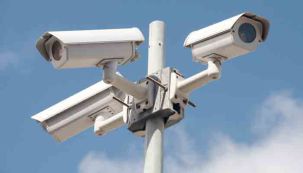
Most municipalities worldwide are using video surveillance cameras. However, this infrastructure, which consumes a significant municipal budget, is only partially used. Practically, most of the time no one is really monitoring the cameras or the recorded video footage unless there is a specific alert or some incident is investigated. The justification for video surveillance is only for security and not for economic reasons.
This situation may be significantly changed by using Video Analytics technology, which can detect and analyze a variety of situations and obtain valuable information from the cameras automatically. These capabilities have been improved lately as the result of a breakthrough in Deep Learning technology. Currently, a computer system can be trained to detect and tag various events using reference video clips – a bit similar to a sniffer dog, which is trained to locate people or objects after smelling a sample object.
The video surveillance cameras in the streets may become ‘hard-working dwarfs’, serving the municipality and the citizens 24-7. Following are a few examples.
Vandalism and Graffiti detection
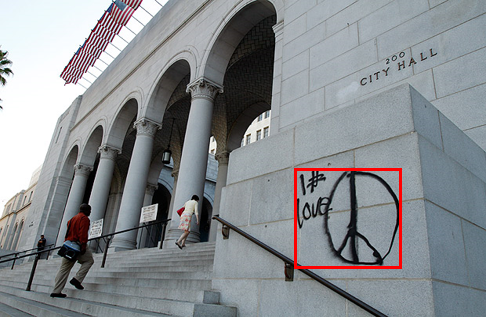 This ugly phenomenon is familiar at every city. Statues and monuments, public buildings, playgrounds, benches and others are damaged by vandals. The cost of handling these damages is tremendous and consumes a significant municipal budget. According to some statistics, the total annual cost (removing, painting, repairing, investigations and legal expenses) is around $20 per citizen, i.e. a small town with 50,000 citizens might pay some $1M annually (!) to handle graffiti and vandalism, not to mention the inconvenience caused to the citizens and associated bad image of the city management.
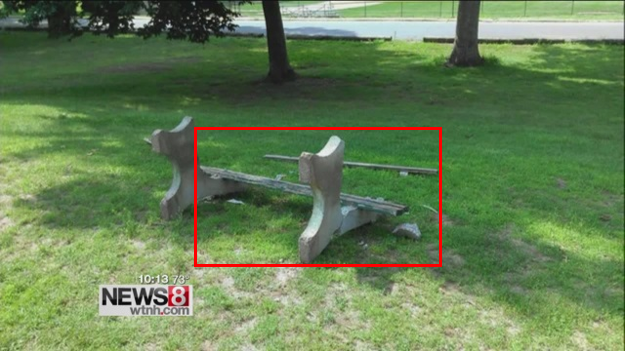
Immediate detection of graffiti and vandalism and documentation of the criminals may contribute to reducing the associated costs significantly. This can be achieved using existing cameras at city parks, near municipal building and anywhere around the city using software for detecting permanent background changes.
Traffic Analysis
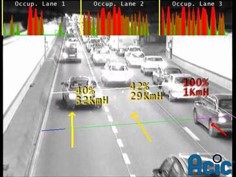
Traffic planning is one of the most important factors affecting the quality of life in the city. The volume of vehicles and pedestrians at each street and its distributions along the day and week dictate the planning of roads, sidewalks, public transportation and bike lanes.
When the planning does not fit the actual needs, the result has both economic and quality of life aspects. The need exists for proper tools to constantly measure the actual traffic in order to adopt the infrastructure accordingly.
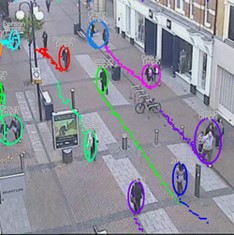
Currently, traffic measurement is done partially and ineffectively. Recruiting the existing city cameras for this task may yield valuable information for urban planners. Various tools exist to measure traffic volume and lane occupancy.
As a result of this on-going analysis, it might be concluded that a certain lane may be eliminated for the benefit of a wider sidewalk or a bike lane, or alternatively, traffic light timing should be adjusted, or a bi-directional lane is implemented.
Public parking analysis
Public parking -either along sidewalks or at parking lots – is an essential resource for the city citizens, visitors and businesses, as well as a significant revenue for the municipality.
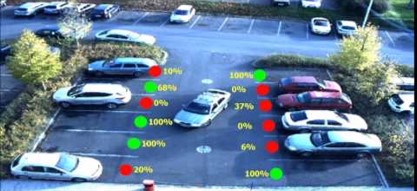
The amount, fare and purpose (citizens, loading etc.) of each parking space, should be decided based on actual needs and usage.
Using parking occupancy detection software, the existing cameras along the city streets and parking lots may provide the urban planners, the parking department and others with valuable information regarding the actual usage of public parking.
Traffic violations
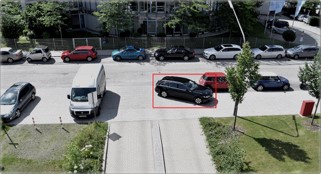 The enforcement of traffic violations usually splits between police and other security parties. Parking violations are a major bother at urban areas. Double parking, parking on sidewalk or loading at illegal zones cause a safety risk and traffic disturbance and need to be resolved immediately. A truck parking illegally only for one minute for loading during rush hour may cause a terrible traffic jam.
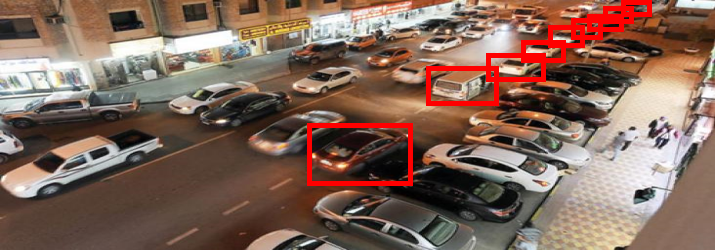 Automatic detection of traffic violations in real-time using existing video surveillance cameras is possible and reliable using dedicated software. Following violation detection, immediate enforcement may be performed. This immediate action both removed the disturbance and announces a ‘don’t mess with us’ message which contributes to a better driving culture for the long term.
Asset Protection
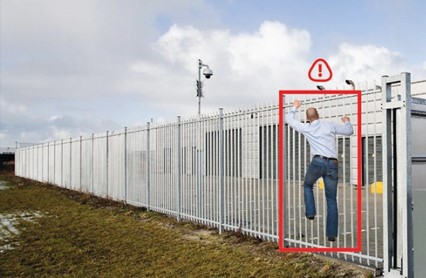
Numerous unmanned assets within the municipal area require monitoring. Statues and other monuments, warehouses, critical infrastructure and other municipal sites – all these need to be well protected from theft, vandalism, break-in, invasion, weather and other damages. Since there is a large number of locations to protect, it is not possible to locate guards everywhere and therefore many municipal assets are left unprotected, exposed to expensive damages.
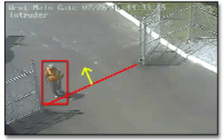 The existing video surveillance cameras in the streets, associated with a special software to detect human motion at predefined areas, time and direction, may provide an immediate alert, enabling the security forces to act in real-time and avoid considerable damage to municipal assets.
Parks Security
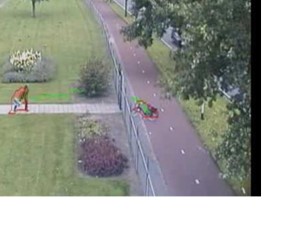 The city green spaces are vital for citizens wellbeing. But at the same time, parks might be dangerous locations, especially during the night. An innocent jogging or youth gathering at city parks may become a nightmare. Therefore, cameras are installed at parks to provide better security. However, as mentioned, in most cases nobody is watching these cameras unless some alert is triggered. This alert can be provided using the existing cameras and a motion and loitering detection software at predefined areas and times. This will significantly improve the security level and personal safety feeling of the citizens.
Summary
Using advanced Video Analytics solutions can turn the city’s video surveillance infrastructure into a valuable municipal asset and working tool for the city executives. With proper planning, street cameras may serve not only for security purposes but also as a meaningful management tool, cut municipal costs and improve the citizen’s satisfaction.
Gadi Talmon
Strategic consultant and video analytics expert


 Digital Video
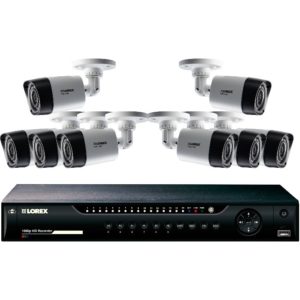
 During the 90’s, digital video transmission and storage technologies spread rapidly throughout the physical security market. The old, cumbersome and unreliable VCRs were replaced by new, maintenance-free Digital Video Recorders (DVRs), which enabled immediate access to any video footage. Analog video transmission over coaxial cable was taken over by digital video, which enabled sharing and distribution to multiple users at multiple locations.
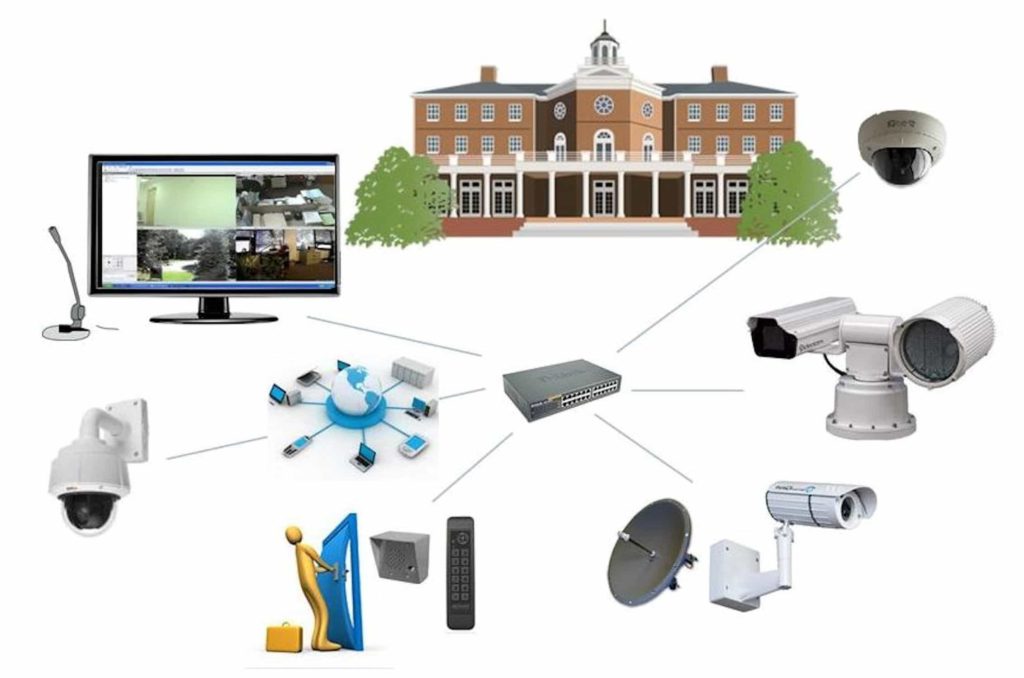 At the rise of the millennium, along with the establishment of IP technology as a leading communication standard and widespread usage of IP network at any house and business, video-over-IP solutions were introduced. These included video encoders, which compressed analog video input to digital video over IP networks, and IP cameras with on-board IP ports.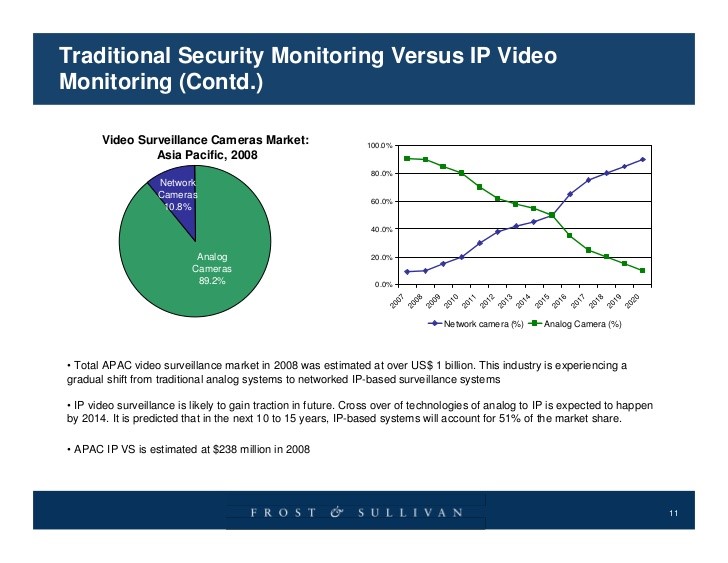
 9-11
9-11
 The physical security market has experienced some significant changes during the recent decades. Whereas once physical security was based solely on guards, fences and gates, the story of the physical security market has been rewritten by technological development and a change in the type of threats we face.
 During the 70’s, intruder detection alarm systems were introduced. These systems were the enabler for rapid growth of the central alarm monitoring service, providing security solutions 24/7 for the residential and enterprise markets.
 Despite the high cost, low video quality and difficulty to access video footage of a specific event, these CCTV systems generated a real revolution in the security market and upgraded the security level. Eventually, the return on investment model was proven by a reduction of manpower and lower false alarm costs.